

6mm frosted glass price
Understanding Spline Ring Gauges Precision Tools in Engineering In the realm of precision engineering, ensuring the correct fit and performance of components is paramount. One of the critical tools employed in this process is the spline ring gauge. This specialized gauge is essential for inspecting the dimensional accuracy of spline profiles, which are vital in various mechanical applications. What is a Spline? Before diving into the details of spline ring gauges, it's crucial to understand what splines are. Splines are toothed interfaces used to transfer torque between two rotating parts while maintaining angular alignment. Commonly seen in automotive driveshafts and gearbox shafts, splines help in the easy assembly and disassembly of components while ensuring a reliable connection. The Role of a Spline Ring Gauge A spline ring gauge is an inspection tool designed to measure the dimensional characteristics of internal or external spline profiles. It consists of a circular body with precision-cut spline grooves that mimic the splines being measured. There are two main types the Go gauge, which checks if the spline fits properly, and the No-Go gauge, which ensures that the spline is not oversized. The primary purpose of these gauges is to ensure that the splines manufactured meet the required specifications. Accurate measurements are crucial because even a slight deviation can lead to component failure, excessive wear, or malfunctioning of machinery. Thus, industries ranging from aerospace to automotive rely on spline ring gauges to uphold quality control standards. Design and Manufacturing of Spline Ring Gauges spline ring gauge Manufacturing spline ring gauges involves high-precision machining processes. The material typically used is high-grade tool steel, which is heat-treated for enhanced durability and wear resistance. Manufacturers employ advanced CNC (Computer Numerical Control) machining techniques to create the intricate profiles needed for the spline teeth. The design of a spline ring gauge must consider not only the spline dimensions but also tolerances and allowances specified by industry standards. Spline types can vary widely, including involute, square, and serrated profiles, each requiring specific gauge configurations. Thus, engineers must carefully select or design the appropriate gauge for the application at hand. Calibration and Maintenance For spline ring gauges to maintain their efficacy, regular calibration is essential. Calibration should be conducted using standardized reference gauges to ensure accuracy over time. Given the precision required in engineering applications, any discrepancies in measurements can lead to significant operational issues, thus underscoring the importance of meticulous calibration. Maintenance of spline ring gauges involves routine cleaning and inspection for wear and damage. Proper handling and storage practices are crucial to avoid any accidental distortion or damage that could compromise measurement integrity. Conclusion In summary, spline ring gauges are indispensable tools in modern engineering, providing the means to check and ensure the accuracy of spline profiles in various applications. Their role in quality control cannot be overstated, as they help prevent potential failures that could arise from manufacturing inconsistencies. As industries continue to evolve towards greater precision and reliability, the importance of tools like the spline ring gauge will only grow, making them a staple in the toolkit of precision engineers. Through proper design, manufacturing, calibration, and maintenance, spline ring gauges will continue to play a key role in fostering higher standards of quality in the engineering sector.
about
6mm frosted glass price
In industries where accuracy is paramount, having the right tools for measurement and inspection is a must. The measurement platform , inspection platform , and platform inspection process are the cornerstones of quality control and precision. Whether you're in manufacturing, engineering, or construction, these platforms offer the essential stability and precision needed for accurate assessments. Let’s dive into the importance of these platforms and how they contribute to the success of your projects. Measurement Platform: The Foundation of Accuracy A measurement platform is a key component for ensuring that measurements are accurate, reliable, and precise. Made from durable materials such as granite or marble, these platforms offer a stable surface for measuring and inspecting components during production processes. Measurement platforms are used extensively in industries like automotive, aerospace, and electronics, where even the smallest deviation in dimensions can have significant consequences. The importance of a measurement platform cannot be overstated. By providing a flat, stable surface, these platforms eliminate the errors that can occur due to surface irregularities. The precision offered by a measurement platform is especially crucial in environments where high tolerances are required. Whether you're measuring the dimensions of a mechanical part or calibrating sophisticated instruments, the measurement platform ensures that all readings are consistent and accurate. Furthermore, the material choice for measurement platforms plays a key role in maintaining precision over time. High-quality materials, such as granite or synthetic stones, are often used for these platforms because they are resistant to wear, corrosion, and changes in temperature, allowing them to retain their flatness and stability for extended periods. Investing in a measurement platform is an investment in long-term accuracy and reliability. Inspection Platform: Ensuring Quality at Every Step An inspection platform is an essential tool for quality assurance across a wide range of industries. These platforms are designed to provide a precise, level surface for inspecting parts and assemblies to ensure they meet the required specifications. Inspection platforms are typically used in metrology labs, machine shops, and assembly lines, where consistent quality control is needed. Unlike measurement platforms , which focus primarily on the accuracy of measurements, inspection platforms are often integrated with measuring instruments such as calipers, micrometers, or laser scanning systems. This allows for comprehensive inspection of parts, ensuring that they not only meet dimensional specifications but also functional requirements. For example, in the automotive industry, an inspection platform might be used to check the tolerance of engine parts to ensure they fit together correctly. The stability of the inspection platform is critical for ensuring that the inspection process is carried out with the highest degree of accuracy. Any slight shift or vibration during the inspection process can lead to errors, so having a solid, vibration-resistant surface is vital. High-quality materials like granite or cast iron are typically used for inspection platforms due to their ability to absorb vibrations and maintain a stable, flat surface. Platform Inspection: A Crucial Step in the Manufacturing Process Platform inspection is an integral part of the manufacturing process, particularly in industries that rely heavily on precision and tight tolerances. The platform inspection process involves verifying that the platform itself is level and in good condition before performing any measurements or inspections. If the platform inspection reveals any imperfections or irregularities, it could affect the accuracy of all subsequent measurements and inspections. Before using a measurement platform or inspection platform , a thorough platform inspection is essential to ensure that there are no flaws or defects that could lead to inaccuracies. Common issues that are identified during platform inspections include surface scratches, cracks, or deviations from flatness. By regularly conducting platform inspections , businesses can ensure that their equipment maintains its performance and avoids costly errors. A detailed platform inspection also includes verifying the alignment of any measuring instruments or tools used in conjunction with the platform. This step ensures that all readings taken during the inspection process are accurate and reliable. For industries that rely on high-precision manufacturing, regular platform inspections are a key part of maintaining product quality and consistency. Benefits of High-Quality Measurement and Inspection Platforms Investing in high-quality measurement platforms , inspection platforms , and ensuring thorough platform inspection processes can bring significant benefits to your business. These platforms enhance operational efficiency by reducing the likelihood of errors and improving the overall accuracy of measurements. For industries like aerospace, automotive, or electronics manufacturing, where precision is critical, the impact of high-quality platforms can be immense. One of the primary benefits is the ability to perform consistent quality control. Inspection platforms provide a stable and reliable surface for verifying parts, ensuring that only those that meet the required specifications proceed through the production process. This reduces the risk of defective parts reaching customers, which in turn helps to maintain the company’s reputation for quality. Another key benefit is the longevity and durability of high-quality platforms. Materials like granite are highly resistant to wear, ensuring that they maintain their flatness and stability over time. Regular platform inspections can further extend the life of the equipment by identifying any potential issues early on. The result is a reduction in downtime and maintenance costs, allowing for more efficient operations. FAQs About Measurement and Inspection Platforms What is the difference between a measurement platform and an inspection platform? A measurement platform is primarily used to ensure accurate measurements of parts and components, while an inspection platform is used for the quality assurance process, often involving detailed checks for specific specifications and functionality. Why is platform inspection important? Platform inspection ensures that the surface is level and free of defects, which is critical for maintaining the accuracy of measurements and inspections. Regular inspections help to avoid costly errors and ensure high-quality standards. What materials are commonly used for measurement platforms and inspection platforms? Granite and cast iron are the most common materials used due to their durability, resistance to wear, and ability to maintain a stable and flat surface over time. How often should platform inspections be performed? Platform inspections should be performed regularly, especially if the platform is frequently used. The frequency can depend on the level of use, but conducting inspections every few months or after significant use is recommended. Where can I purchase high-quality measurement and inspection platforms? You can purchase premium measurement platforms , inspection platforms , and related equipment from reputable manufacturers and suppliers specializing in precision tools. Many suppliers offer custom solutions based on your specific requirements. Precision is key in any industry that values accuracy, and investing in high-quality measurement platforms , inspection platforms , and conducting thorough platform inspections is the first step toward achieving the highest standards. If you’re ready to enhance your manufacturing and inspection processes, visit our website to browse our selection of top-quality platforms and measurement tools.
-

High quality industrial productsagement

High quality industrial products
View Details -

Meet the diverse needs of customers

Meet the diverse needs of customers
View Details -

Strict quality control

Strict quality control
View Details -

Top raw materials

Top raw materials
View Details -

Trusted supplier

Trusted supplier
View Details
Our application


news and information
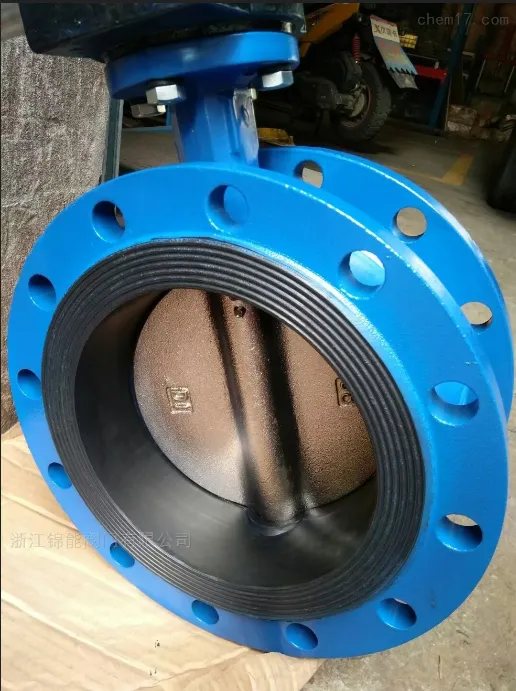
Water Cut Off Valve - Comprehensive Guide and Best Practices
Understanding Water Cut-Off Valves Their Importance and Functionality Water cut-off valves are essen
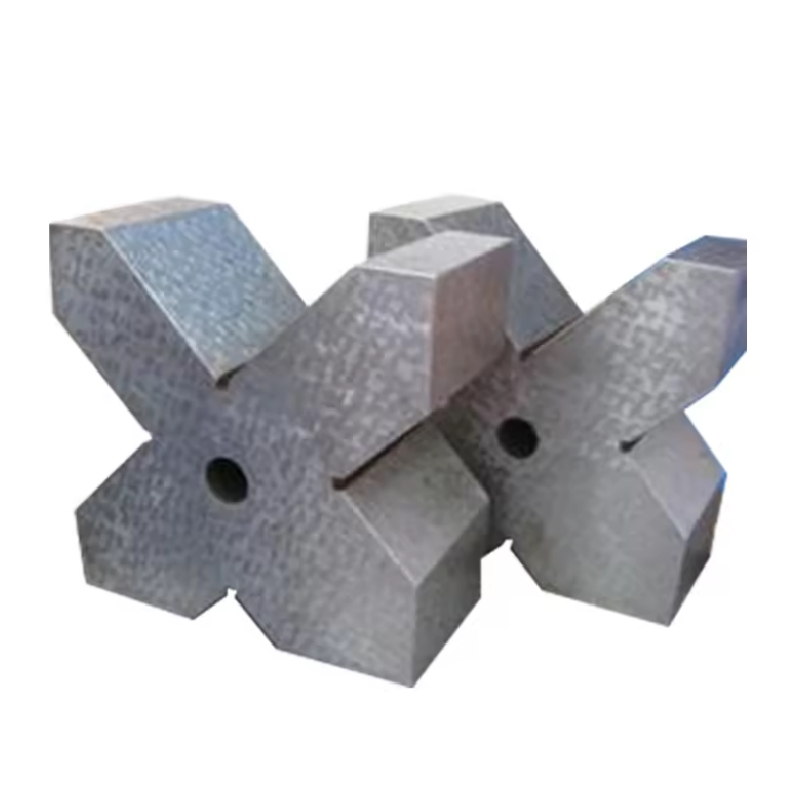
V Block--The Perfect Tool for Precision Machining
In the world of precision machining, having the right tools is essential for achieving accurate resu
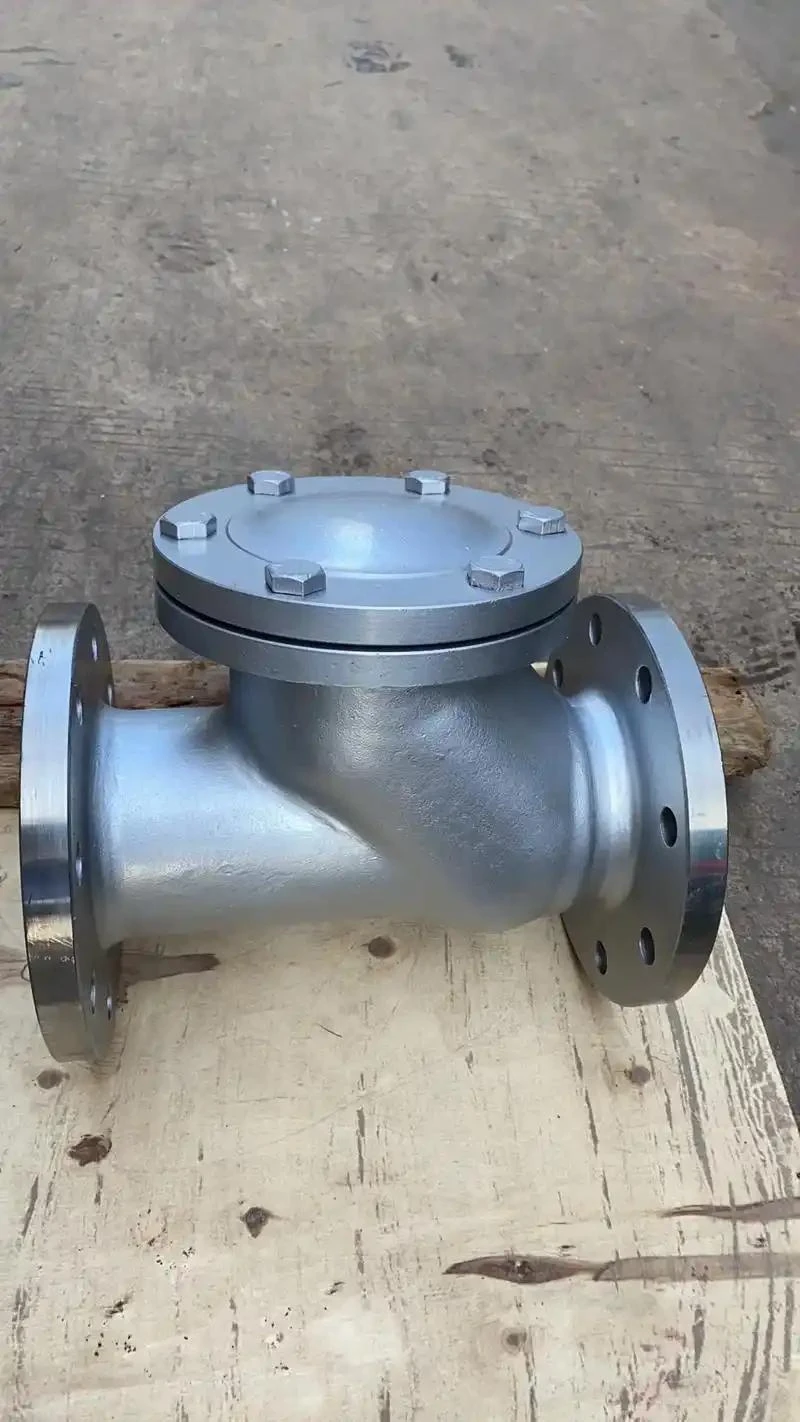
water flow control valve types
The innovative technology behind water control valves has dramatically revolutionized the way indust
 English